Calculating the true EV charging station cost can be more complex than you might expect. It’s not just the price tag on the box. The final price involves hardware, professional installation, and even the electricity you use every day. This guide will break down every part of the EV charger cost to give you a clear and honest picture, whether you’re a homeowner or a business owner.
| Brand | Typical Price (USD/CAD) | Key Feature |
|---|---|---|
| Grizzl-E | $450 – $600 | Built Tough In Canada For Harsh Winters |
| ChargePoint Home Flex | $750 – $900 | Smart Features, App Integration |
| Tesla Wall Connector | $500 – $650 | Sleek Design, Works With All EVs |
| JuiceBox | $650 – $850 | Excellent Smart Charging Features |
After the installation, your only ongoing cost is electricity. Many new EV owners ask, is it expensive to charge an electric car at home?
The good news is, it’s significantly cheaper than buying gasoline. You can calculate the cost with this simple formula:
Vehicle's Battery Size (kWh) x Your Local Electricity Rate ($/kWh) = Cost for a Full Charge
Electricity rates vary greatly by region. Charging during off-peak hours can lead to even bigger savings.
Estimated Cost to Fully Charge a 75kWh Battery in North America
| Region | Average Residential Rate ($/KWh) | Estimated Cost Per Full Charge |
|---|---|---|
| Quebec, Canada | $0.06 | ~ $4.50 |
| Texas, USA | $0.14 | ~ $10.50 |
| Ontario, Canada (Off-Peak) | $0.15 | ~ $11.25 |
| California, USA | $0.28 | ~ $21.00 |
Note: (Rates Current as of Q3 2025) (Source: U.S. Energy Information Administration (EIA) & Natural Resources Canada (NRCan))
Furthermore, many governments and utilities offer rebates that can lower your initial investment. It’s always a good idea to check for local incentives before you buy.
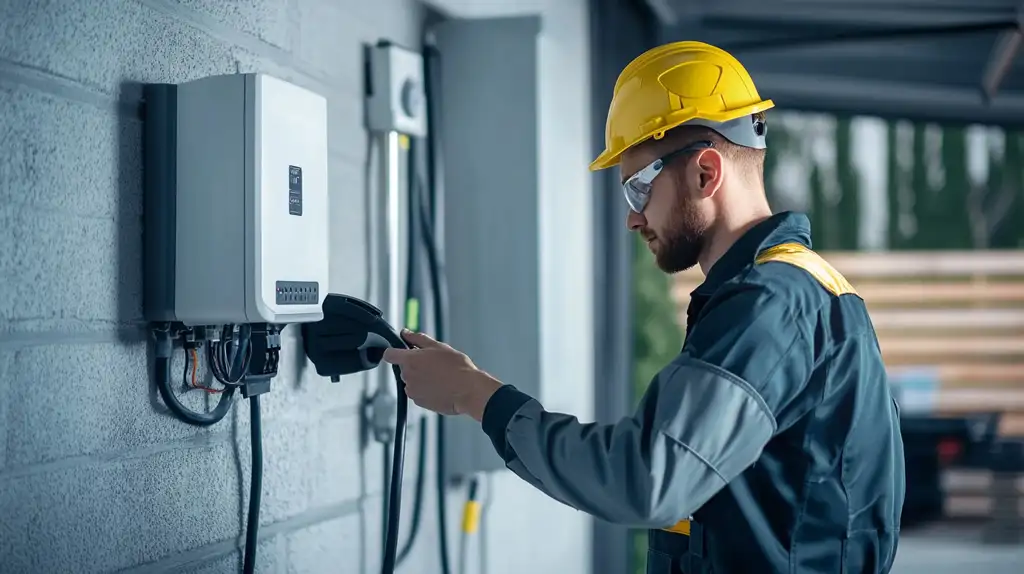
For businesses, installing EV chargers is a strategic investment in the future. It can attract customers, support an electric fleet, and even create a new revenue stream. So, how much does a commercial ev charging station cost? The answer is much more complex than a home setup.
The investment for a commercial station includes more robust hardware, complex site preparation, and ongoing software fees.
Estimated Total Investment for Commercial Stations (Median)
| Charger Type | Hardware Cost | Installation Cost | Total |
|---|---|---|---|
| Level 2 Charger | ~ $4,500 | ~ $8,500 | ~ $13,000 |
| DC Fast Charger | ~ $90,000 | ~ $60,000 | ~ $150,000 |
Beyond hardware and basic installation, business owners must consider several other critical cost factors:
Leveraging Utilization Metrics Before making such a large investment, potential operators always wonder, are ev charging stations profitable? Profitability depends directly on location, equipment choice, pricing strategy, and operational efficiency.But most importantly, it relies on operational efficiency. While high utilization is key, operators must also aggressively manage high operational expenses (OPEX) and grid costs.For a detailed guide on solving these challenges, see our analysis on how to boost EV charging network profitability through 5 key innovations.
Industry Benchmark & Methodology: Data from Stable Auto Corp. shows that the average utilization rate (the percentage of time a charger is in use) for non-Tesla fast charging stations in the U.S. nearly doubled in 2023, rising from 9% to 18%. Industry analysts suggest a utilization rate of 30% or higher indicates high profitability and heavy traffic, providing a clear methodology for assessing business viability. Beyond direct revenue from charging sessions, businesses can also see indirect benefits like increased foot traffic to a primary business
For investors looking to enter the market without starting from scratch, exploring an electric vehicle charging franchise is another viable path. Joining an established brand can provide access to hardware, software, operational support, and brand recognition, potentially lowering the barrier to entry.
In summary, investing in a charging station is a sound decision for both individuals and businesses. For homeowners, the initial charging station cost is rewarded with long-term fuel savings and unparalleled convenience. For businesses, it is a strategic move that aligns with the future of transportation, enhances customer service, and supports sustainability goals.
Authoritative Sources
Natural Resources Canada (NRCan) – Electric Charging and Alternative Fuelling Stations Locator:
U.S. Department of Energy – Alternative Fuels Data Center: Charging at Home:
ChargePoint – The Complete Guide to EV Charging:
U.S. Energy Information Administration (EIA) – Average Residential Electricity Rates:
Natural Resources Canada (NRCan) – Residential Electricity Rates & Incentives:
Stable Auto Corp. – EV Charging Station Utilization Report:
U.S. Department of Energy – Alternative Fuels Data Center: Charging at Home:
ChargePoint – The Complete Guide to EV Charging:
We will send detailed technical info and quotation to you!