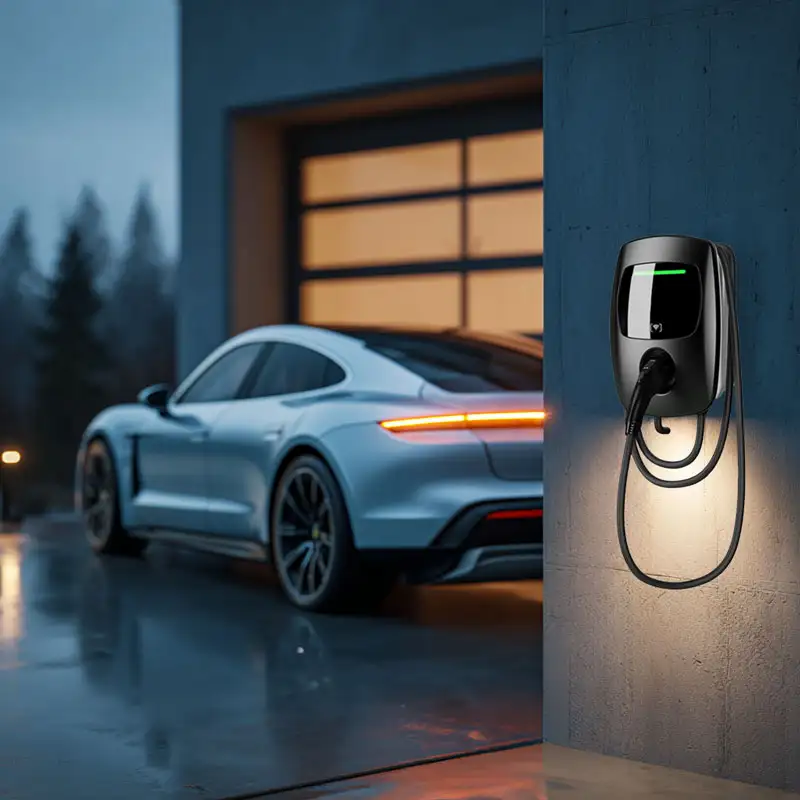
Electric vehicles (EVs) are more than just cars. They are powerful computers on wheels. And the chargers that power them are getting a major upgrade. They are no longer simple plugs in a wall. They are becoming smart, connected hubs that talk to your car, the cloud, and the power grid.
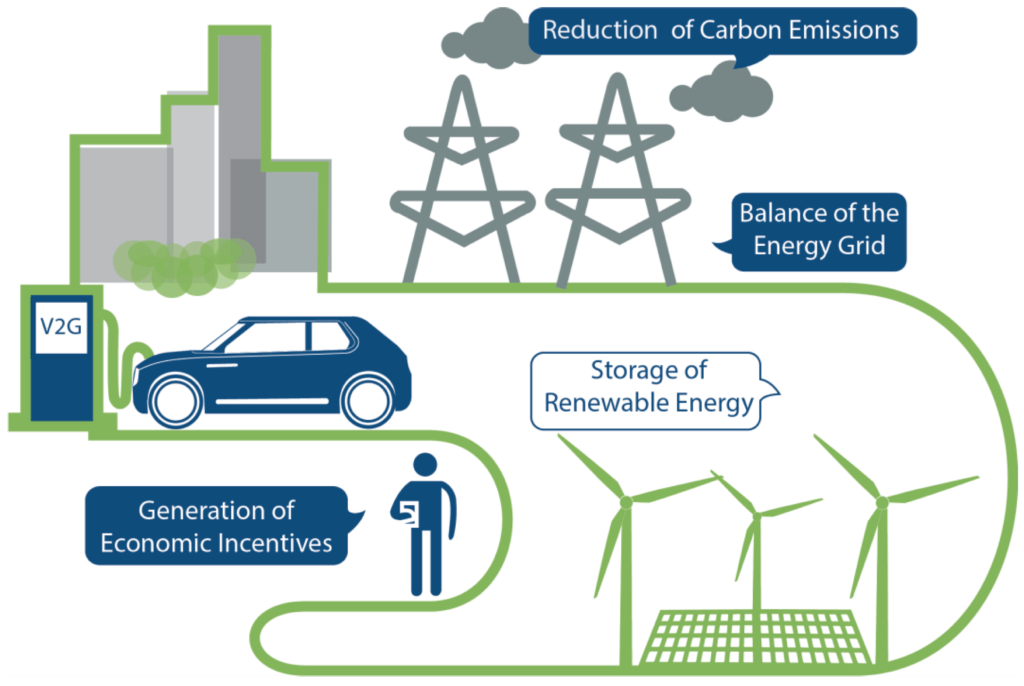
This massive change is creating a new world of energy. We are moving toward a future of Vehicle-to-Grid (V2G) technology. V2G allows EVs to not only take power from the grid but also give it back. This turns every car into a small, mobile power plant.
This evolution is reshaping everything. It changes how we manage energy, how we make money from our cars, and how we build smarter cities. Let’s explore how this connected technology is revolutionizing the EV charging experience by 2025 and beyond.
The operational logic of Tesla’s “Charge-on-Demand” system reveals the core innovations of next-gen charging technology:
1.2 Vehicle-Charger-Cloud Data Triangle: Redefining Energy Interaction Protocols
Under the ISO 15118-20 framework, charging is evolving into autonomously negotiated digital contracts:
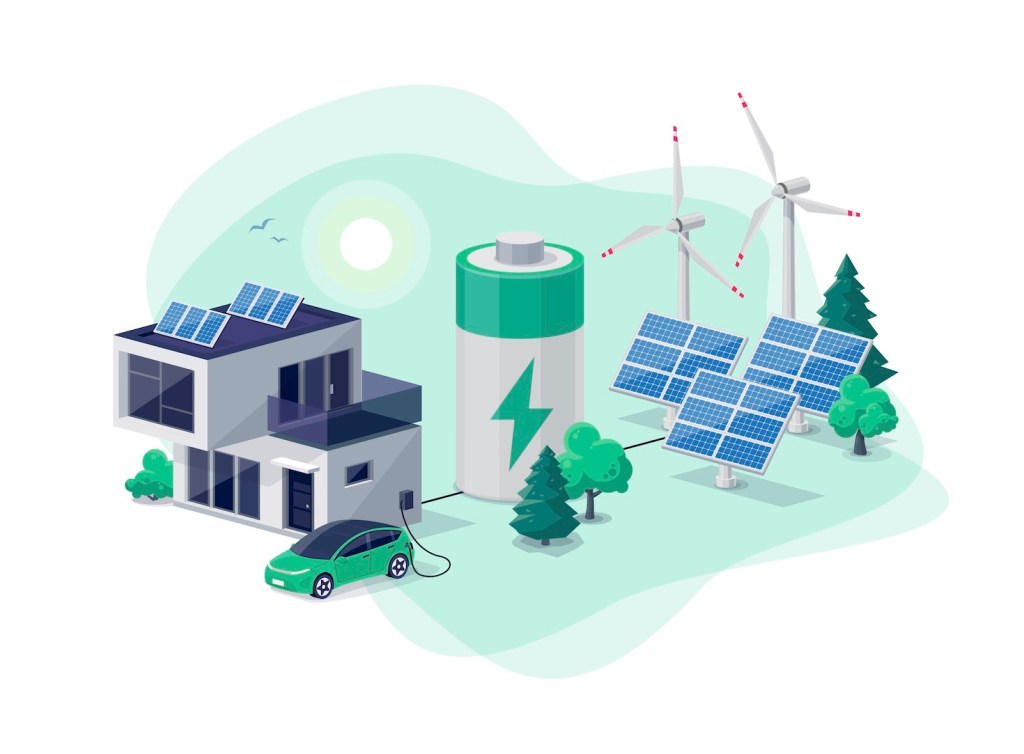
When 200,000 EVs in Germany automatically discharge to stabilize grid frequency at 49.8 Hz, these mobile storage units transition from energy consumers to grid stabilizers.
As engineers in Helsinki guide Melbourne technicians via AR glasses to replace charging modules, the spatiotemporal boundaries of maintenance systems dissolve.
When white-hat hackers demonstrate network breaches via charging guns at DEF CON 32, security battlegrounds expand to every charging port.
As Dubai embeds dynamic wireless charging coils in roads, charging infrastructure transcends physical constraints.
In this symphony of hardware digitization and software materialization, EV chargers have evolved into neural nodes of the energy internet. Their value metric shifts from “kWh delivered” to “data flow density.” Enterprises redefining chargers as “mobile energy operating systems” will dominate the 2030 energy landscape.
Plug and Charge’ (PnC) is an advanced feature, enabled by the ISO 15118 standard, that automates the entire charging process. The driver simply plugs in the vehicle, and the charger securely identifies the car (via a digital certificate), authorizes the session, and processes payment automatically. This eliminates the need for any apps, RFID cards, or credit card swipes.
V2G (Vehicle-to-Grid) allows an EV’s battery to send power back to the entire electricity grid to help stabilize it during peak demand, often earning the owner financial credits. V2H (Vehicle-to-Home) is a more localized concept where the EV battery sends power only to your house, acting as a backup generator during a power outage but not interacting with the wider grid.
In a Virtual Power Plant (VPP), a cloud-based AI platform aggregates thousands of smart chargers (and their connected EVs) into a single, coordinated “virtual” battery. This VPP can then be instructed to charge (draw power) or discharge (send power via V2G) in real-time, helping to balance the grid’s frequency and demand, and creating revenue for the VPP operator and EV owners.
Grid Destabilization: Hackers gaining control of thousands of chargers and turning them on or off simultaneously to crash the local power grid.
Data & Financial Theft: Intercepting unencrypted communication between the car, charger, and cloud (a “man-in-the-middle” attack) to steal payment data or user information.
Vehicle Access: Using the charger’s physical connection as a gateway to gain unauthorized access to the vehicle’s internal systems.
Sources
V2G Market Analysis & Pilot Programs: U.S. Department of Energy, Federal Energy Management Program (FEMP). (2024). Managed and Bidirectional Charging.
Enel X Way VPP Solutions: Enel North America. (2025). Demand Response.
Cybersecurity in EV Charging: National Renewable Energy Laboratory (NREL). (2025). Cybersecurity for Electric Vehicle Grid Integration.
Electreon Wireless Charging Technology: Electreon. (2025). Our Wireless Charging Technology.
We will send detailed technical info and quotation to you!